


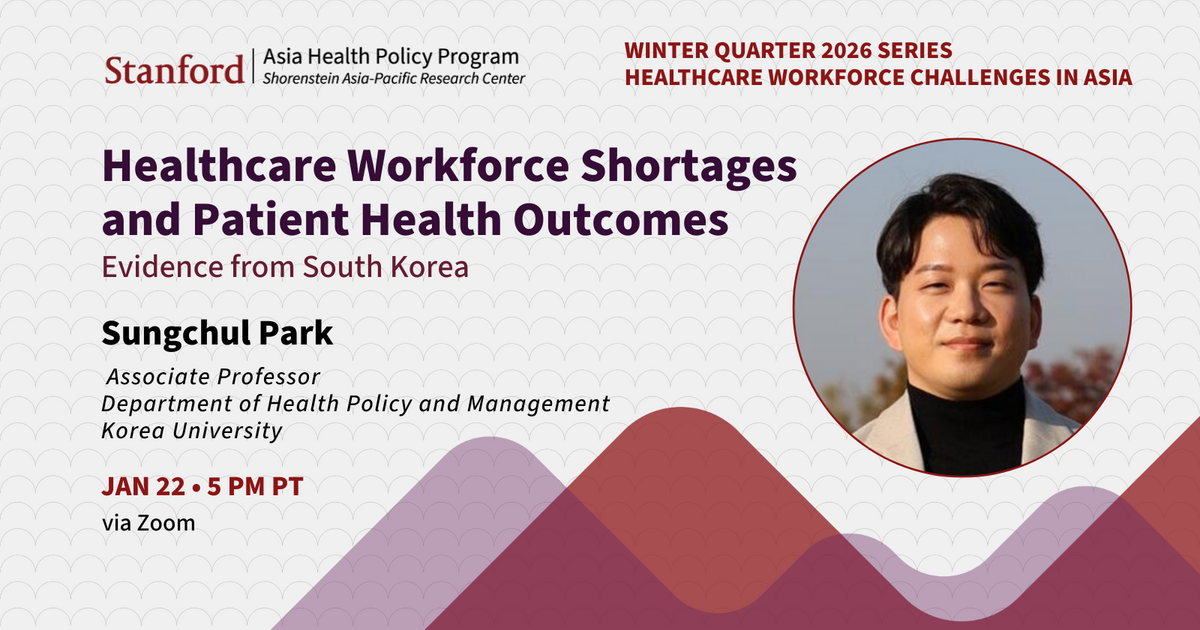
In February 2024, the South Korean government announced an expansion of medical school enrollment by 2,000 students to address physician shortages, prompting widespread opposition from the medical community. On February 19, 2024, over 90% of trainee doctors—representing approximately one-third of physicians at major teaching hospitals—resigned and launched a nationwide walkout that lasted until August 2025. This 18-month walkout constituted a major workforce shock in a universal, single-payer system and created a rare opportunity to evaluate effects on mortality, health care use, and spending. Hear from Prof. Park as he presents the results of a study on the impacts of the walkout.
Using a difference‑in‑differences design, the findings reveal significant increases in 30‑day and 90‑day in‑hospital mortality and in weekly all‑cause mortality. Health care utilization declined across inpatient and outpatient settings, with a greater relative reduction in hospital admissions. Hospitalizations dropped primarily for simple and general conditions, whereas admissions for complex conditions remained stable. Mean spending per hospitalization rose substantially, and spending per outpatient visit increased modestly. There was little evidence of systematic substitution of care from teaching hospitals to non‑teaching facilities or primary care settings. Overall, the nationwide trainee doctor walkout in South Korea was associated with higher mortality and lower health care utilization. These findings underscore the vulnerability of health systems to workforce disruptions and highlight the need for policies that strengthen staffing resilience, contingency planning, and communication mechanisms between the government and the medical workforce.
Speaker:
Image

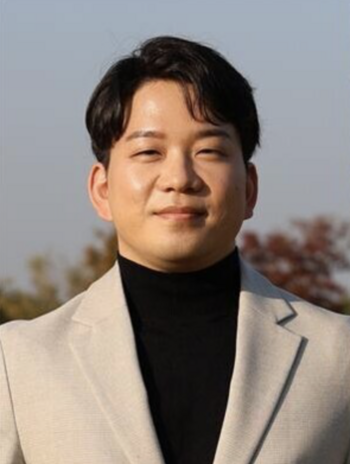
Sungchul Park is an Associate Professor in the Department of Health Policy and Management at Korea University (Republic of Korea). He previously held tenure-track faculty positions at Drexel University (United States) and Ewha Womans University (Republic of Korea). As a health economist and health services researcher, he studies how to design better health care systems that deliver high-quality care at a reasonable cost while ensuring equitable access. His research evaluates the value of health care by assessing both costs and patient and population health outcomes and investigates payment and care delivery reforms, with an emphasis on value-based care. He also analyzes how emerging technologies, including artificial intelligence and digital health, affect cost, quality, access, and efficiency in health care. In addition, he compares health system performance across high-income countries, particularly OECD members, to identify policies that improve care and well-being.
link