Stillwater Animal Welfare educates residents on pet healthcare | Stillwater
If no animals received vaccines or general health care, serious consequences would likely occur, affecting not only animal health, but the health of humans.
To ensure animals are receiving the proper care and treatment ensures a more stable economy, food security and the health of people around the world.
What if a simple shot could save your pet’s life and keep the world around you safe, too?
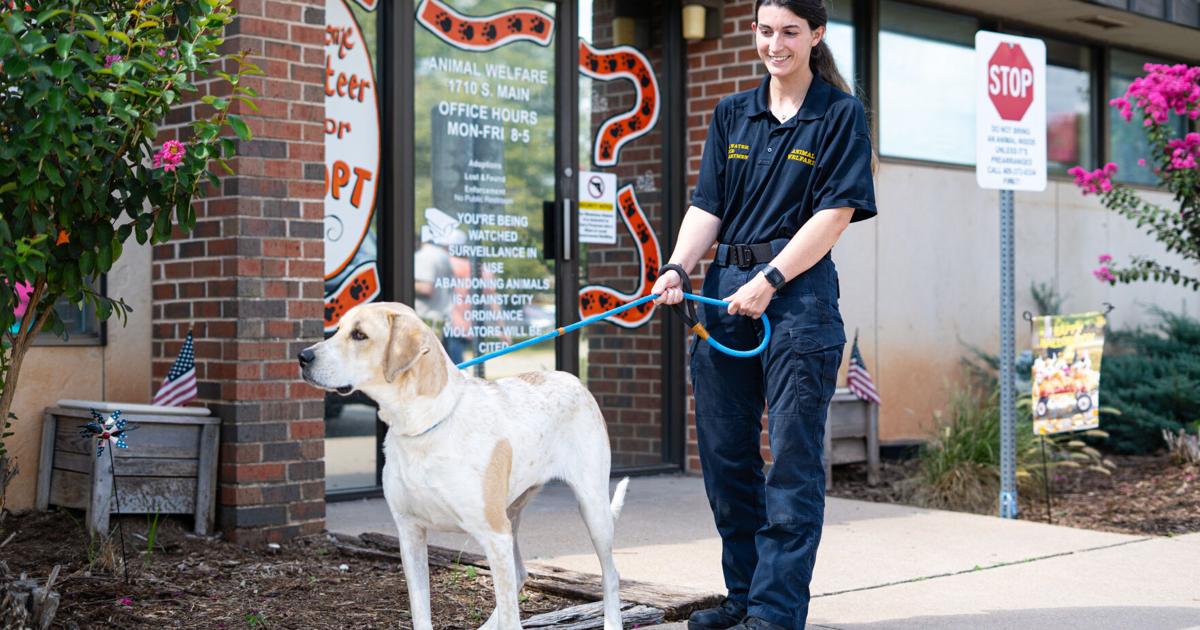
Anthony Morales, Stillwater Animal Welfare kennel technician, promotes the shelter’s mission to educate pet owners in Stillwater of the potential for animal disease.
“Even well-behaved animals can not avoid diseases they can not see,” Morales said. “It is important for us to ensure they stay protected and safe from these threats.”
Stillwater Animal Welfare and other animal shelters across the United States are constantly working to educate citizens who adopt, and those who own pets, on how and why they should prioritize preventive medical measures for their pets.
“In communities where responsible pet ownership is promoted, there are less stays, healthier and happier pets, and in turn, healthier and happier community members,” said Reese Ryan, a director at Stillwater Animal Welfare.
Louis Pasteur developed the first animal vaccine, which was administered to chickens and other domestic or wild birds in order to prevent chicken cholera. Animal vaccines work similarly to human vaccines in that they teach an animal’s immune system to recognize and fight off diseases. What started as a way to protect livestock has turned into a broad system of preventing all kinds of deadly illnesses for animals.
Some examples of core vaccines that should be administered to every pet: rabies for dogs and cats, DHLPPC for dogs and FVRCP for cats, said Rachel Wasserman, a supervisor at Stillwater Animal Welfare.
Another way individuals can ensure their pets are safe and taken care of is by getting them fixed. For female animals, this process is called spaying, or the removal of the uterus and ovaries. For male animals, the process is called neutering.
Not only does getting an animal fixed prevent unwanted reproduction, but the elimination of future cancers relating to the reproductive system.
“…the more we can cut back on unwanted litters, the better it is to manage and maintain the majority of animals not entering the shelter and having families of their own,” Ryan said. “Spaying and neutering is also important because it can help prolong the lifespan and wellbeing of pets.”
It may seem like the problem has been under control, but data from 2020 through this year shows an increase in rabies cases in Payne County. The Oklahoma State Department of Health shows there were 10 confirmed cases since 2020. Skunks and wild animals were the primary carriers, but there were three cattle cases.
To prevent further spread, vaccinations are heavily encouraged and required by Oklahoma law. To maintain the safety of animals and people alike, all dogs, cats, and ferrets over four months old must be vaccinated against rabies by a licensed veterinarian, wear a rabies tag, and receive regular booster shots.
In places where spay and neuter laws are enforced and more commonly practiced, there are fewer homeless animals, animals being placed in shelters and euthanizations, according to ASPCA.
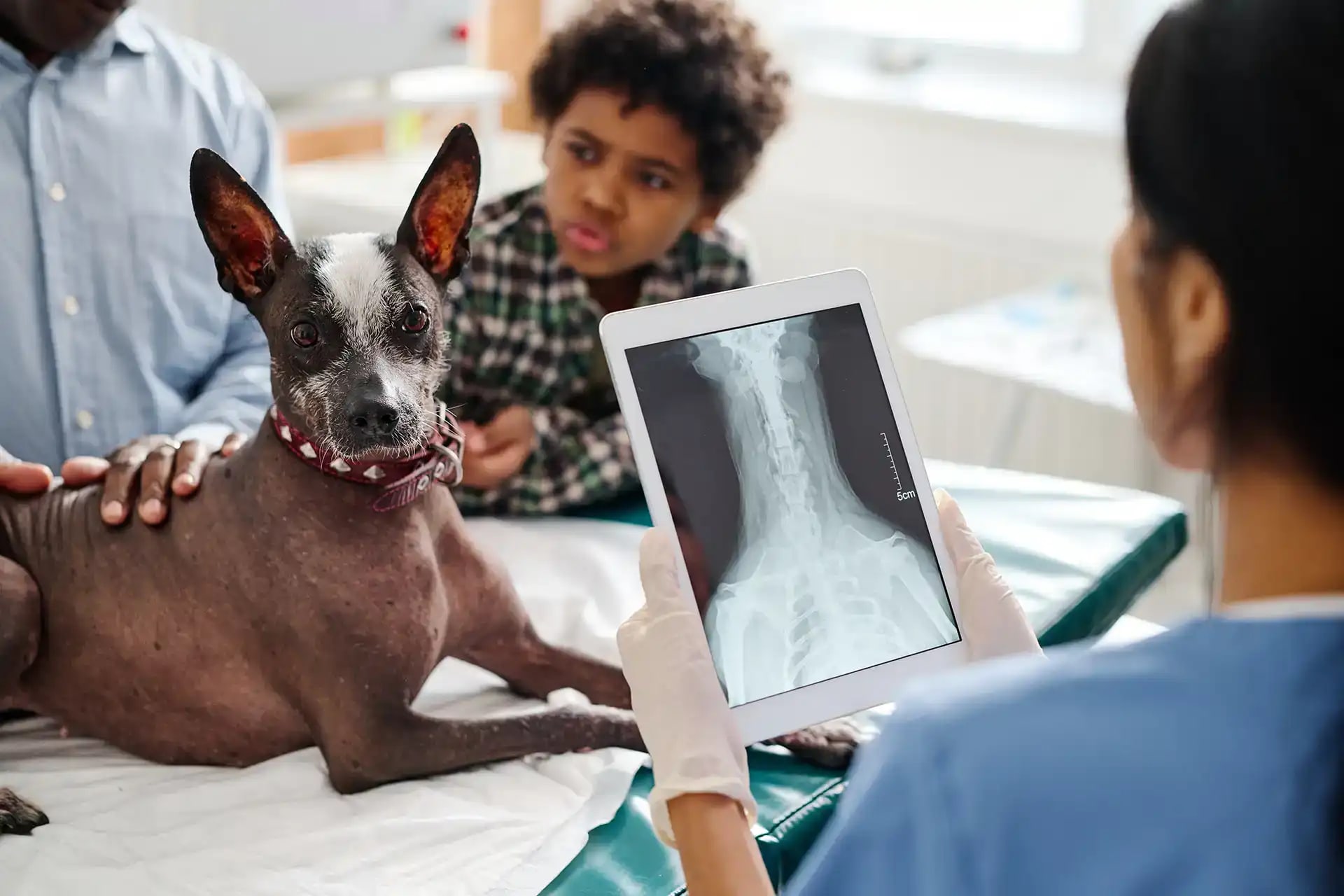
Being in contact with a local veterinarian can also play a big part in administering the correct vaccines and health protocols for your pet. But with the expensive cost of vet care, finances can hold pet owners back from getting the proper care for their animals. There are resources available to assist with cost. OSU Veterinary Medicine has partnered with Stillwater Animal Welfare in the past to host low-cost vaccine clinics.
“Watch for low-cost vaccine clinics, reach out to your local shelter or rescue and ask about any programs that help with cost, and call around to local vet offices near you to see about pricing that is within your budget,” Wasserman said.
It is up to the community to prioritize animal health. With the help of local animal shelters, vet offices, and vaccine clinics, a significant change can be made.
“We can completely stop disease, excessive litter and neglect by staying educated and taking care of the pets we have in our own homes,” Morales said. “A community effort is what solves community problems.”
link