Korea to increase medical school seats by 3,342 until 2031 across colleges outside Seoul < Policy < Article
The government finalized a plan to expand medical school admissions by an average of 668 students per year through 2031, with the increase strictly limited to 32 medical schools located outside Seoul.
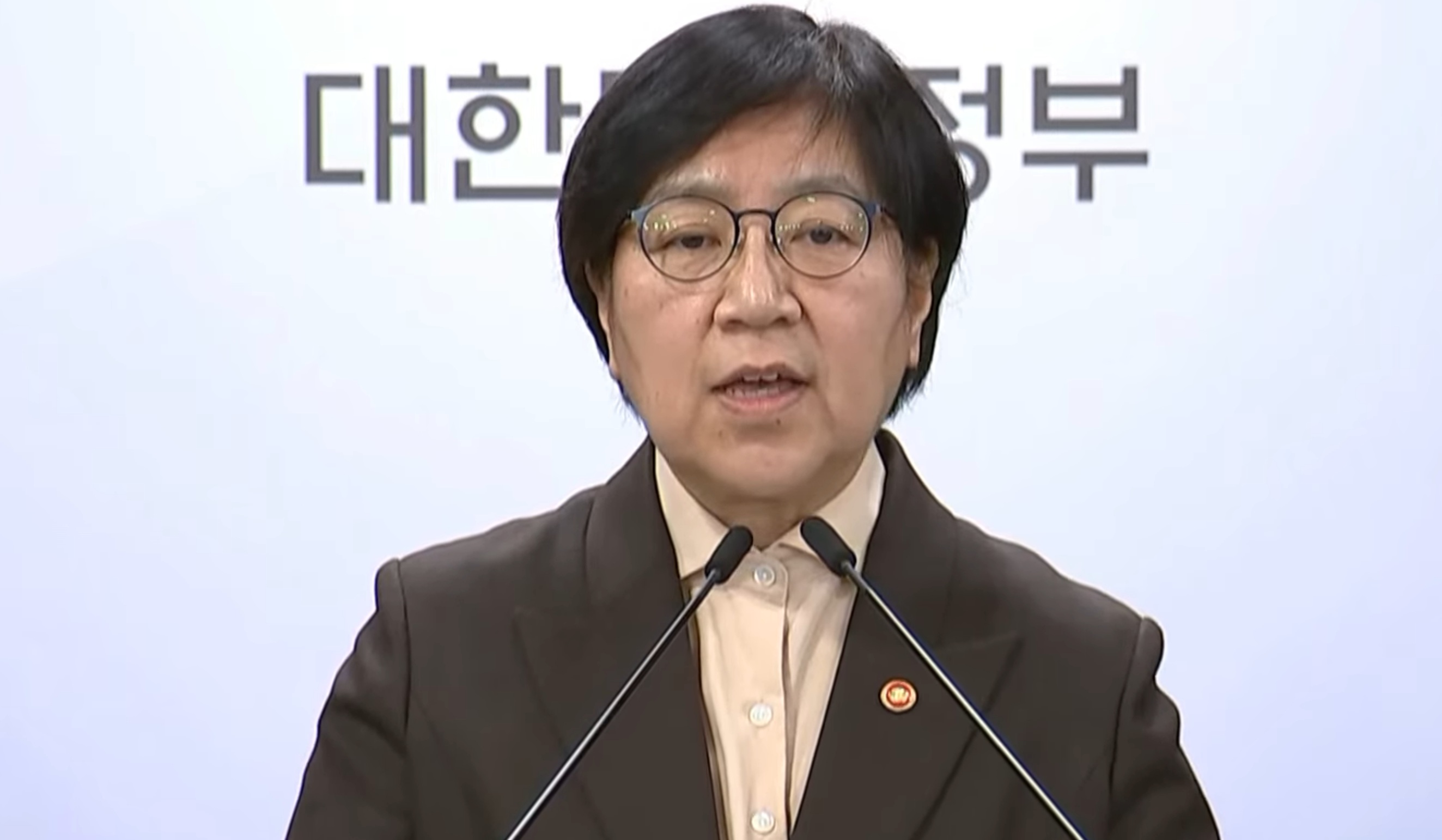
The Ministry of Health and Welfare announced the decision during the seventh session of the Healthcare Policy Deliberative Committee on Tuesday, aiming to address the healthcare disparity in regional areas.
The phased expansion begins with 490 additional seats in the 2027 academic year, raising the total intake to 3,548 from the 2024 baseline number of 3,058. The quota will grow by 613 seats in 2028 and 2029, and then by 813 starting in 2030 with the establishment of public and regional medical colleges.
By the end of the period, the total annual admissions will reach 3,871 students compared to the baseline of 3,058.
To ensure that the new medical personnel remain in local communities, all additional seats are reserved for a regional doctor system.
Students recruited under the program will receive government financial support during their education but must commit to 10 years of service at public health institutions or regional facilities after graduation.
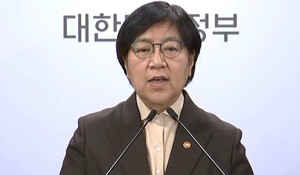
“The government will prioritize smaller national universities to allow them to function as regional medical hubs,” Minister of Health and Welfare Jeong Eun-kyeong said.
Under the new guidelines, national universities with 50 or more seats can increase their quota by up to 30 percent, while those with fewer than 50 seats are allowed up to a 100 percent increase.
Private universities will face stricter caps, with a 20 percent limit for larger schools and 30 percent for smaller ones. The ministry explained that the government chose a gradual approach, implementing only 80 percent of the target increase in the first year to mitigate the burden on educational infrastructure.
“The decision to increase the number of physicians is the result of consultations and communication based on a shared recognition that our healthcare system is facing an unavoidable crisis,” Jeong said. “This decision marks an important starting point for reforming regional, essential, and public healthcare and we will work closely with relevant ministries, including the Ministry of Education, to faithfully implement measures related to training physicians and follow-up policies.”
The history of medical school quotas in Korea has been marked by long periods of stagnation.
After reaching 3,507 seats in 1998, the figure was reduced to 3,058 in 2006 and remained unchanged for nearly two decades until 2024.
A previous attempt to add 2,000 seats for 2025 was scaled back by universities due to quality concerns, leading to the current structured plan for 2027.
The medical community remained skeptical of the proposal.
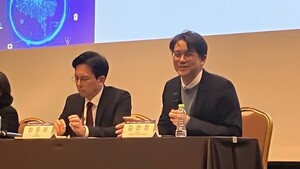
Korea Medical Association (KMA) President Kim Taek-woo reportedly did not participate in the vote during the committee session. KMA, the nation’s largest doctors’ group, pointed out that the government lacks a scientific basis for the estimated numbers and is rushing the expansion without proper preparation.
The group stated it would not accept any numbers that the medical field cannot accommodate and hinted at potential collective action.
However, observers suggest that it might be difficult for KMA to launch immediate strikes or large-scale collective actions.
The current estimates were based on a committee where a majority of members were recommended by medical groups.
Furthermore, taking action so soon after the resolution of previous healthcare disruptions could be seen as a significant burden, observers said.
link