Best Pet Insurance for Emergencies (2025 Guide)

When it comes to pet ownership, urgent medical situations can happen when you least expect them. Having coverage for expensive veterinary visits in the midst of an emergency can give you peace of mind. We at the MarketWatch Guides team researched some of the best pet insurance providers in the industry and examined their emergency coverage options.
Key Takeaways
- According to our comprehensive research on over 30 different pet insurers, we at MarketWatch Guides named Lemonade as the best pet insurance company for emergency coverage.
- One-quarter of American pet owners would struggle to pay an unexpected $250 veterinary bill, according to a study from financial services company Synchrony.
- About 17% of the 1,000 total respondents in our 2025 pet insurance survey reported emergency care as the highest category of spending at the vet within the past year.
Pet Insurance for Emergency and Specialty Veterinary Care
Due to its unpredictable nature, emergency veterinary care may crop up at any time. Having a sick or injured pet is stressful, and wondering how or if you can pay for emergency care only worsens the situation.
“Having pet insurance allows owners to focus more on their pet’s health and wellbeing and helps prevent painful decisions based on financial constraints,” Jenny Alonge, a veterinarian in Virginia, said. “The investment can save your pet’s life as well as your pocketbook if an emergency happens.”
Affordable pet insurance that covers emergency care can alleviate the monetary burden placed on pet parents when unexpected veterinary needs arise. Some plans can even pay your vet directly, similar to human health insurance, eliminating the need to pay bills up front and wait for reimbursement. In an emergency, pet owners with insurance can save thousands of dollars.

Did You Know?
According to our February 2025 survey of 1,000 pet owners, about 24% of people currently have debt related to their pet’s medical expenses.
Compare the Best Pet Insurance Companies for Emergencies
Use the table below to compare emergency pet insurance companies:
What Kind of Specialty Veterinary Care is Covered by Pet Insurance?
The first veterinary specialties emerged in the 1950s, and the number of disciplines has since multiplied. According to the American Board of Veterinary Specialties, pet owners can access over 16,500 board-certified veterinarians across 48 different specialties to provide care beyond what is offered by a standard veterinary practice.
Here are the most common specialties available to cats and dogs:
- Behavior
- Dentistry
- Dermatology
- Critical care
- Internal medicine
- Cardiology
- Neurology
- Oncology
- Ophthalmology
- Surgery (for advanced orthopedic and soft tissue surgery)
- Rehabilitation
- Radiology
The Cost of the Most Common Pet Emergencies
Pets can face emergency conditions at any time, ranging from severe to slightly urgent or immediately life-threatening. Here are some examples of common pet emergencies and estimated associated costs to treat them.
| Condition | Symptoms | Treatment | Cost To Treat* |
|---|---|---|---|
| Intestinal foreign body obstruction | Vomiting and abdominal pain | Surgery | $2,000 to $5,000 |
| Bloat | Unproductive retching and a bloated appearance | Surgery | $1,500 to $7,500 |
| Pyometra (severe uterine infection) | Lethargy, vomiting and vaginal discharge | Hospitalization and/or surgery | $800 to $2,200 |
| Male feline urethral obstruction | Vocalizing and repeated trips to the litter box | Urinary catheterization and/or hospitalization | $1,000 to $4,500 |
| Eye ulcer | Squinting, redness and pain | Medications or surgery | $300 to $3,000 |
| Respiratory distress | Difficulty breathing and pale or blue gum coloring | Oxygen therapy, medications and/or hospitalization | $1,900 to $7,850 |
| Seizures | Sudden loss of consciousness, paddling and vocalizing | Varies depending on the cause | $200 to $5,000 |
| Broken bones | If a pet falls, is hit by a car or experiences another accident | Supportive care, pain control, wound care and/or surgery | $200 to $2,000 |
Costs to treat common emergencies vary depending on where you seek care. Primary veterinarians can handle many emergencies that occur during regular business hours, and treatment may cost less than visiting a 24/7 emergency facility. Despite the higher cost, a serious emergency is often best handled by a specialized emergency clinic staffed by emergency veterinarians and highly skilled support staff.
How To Prepare for Pet Emergencies
Regular vet visits and emergencies are part of being a pet owner. Some experts, such as Dr. Jessica Bell, DVM, an assistant professor in community practice at Washington State University College of Veterinary Medicine, stress that these aspects of pet ownership can become easier to manage if you prepare and make a plan.
What should pet owners do to prepare for emergencies?
- Establish a good relationship with your primary care veterinarian. Having your pet on a wellness plan and following your veterinarian’s recommendations may help prevent future emergencies.
- Become familiar with veterinary emergency facilities and services near your home and areas you may travel with your pet.
- Educate yourself by discussing what constitutes an emergency and when you need to seek urgent care with your primary care veterinarian. This information will vary based on your pet’s needs and your ability to assess your pet’s change in health and pain levels.
- You can work toward emergency financial preparedness by budgeting for a pet emergency fund. Pet health insurance can also help to alleviate some of the stress associated with unplanned medical emergencies.

How Emergency Pet Insurance Helps Pet Owners
Emergency pet insurance can offer crucial financial support when the unexpected happens. This coverage allows pet owners to make the best medical decisions for their pets without the added stress of high out-of-pocket costs for treatment.
To give you a better understanding of how pet insurance can alleviate emergency vet expenses, we’ve provided the following scenarios showcasing average treatment costs for emergencies, including how much you’d pay out-of-pocket with and without coverage.
Gastric Dilatation-Volvulus
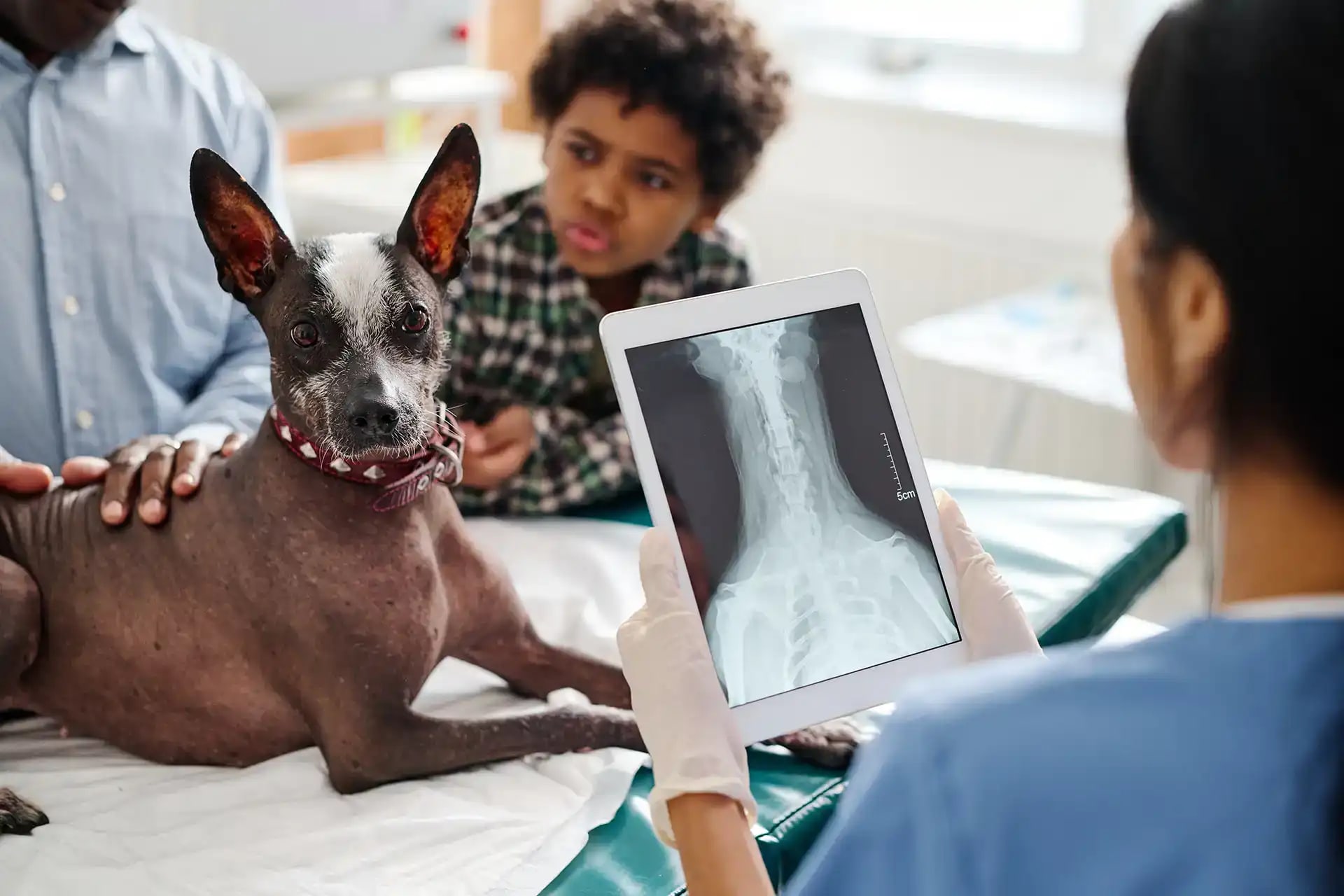
Your German shepherd begins violently retching as if she is trying to vomit, but can’t bring anything up, and her abdomen appears hard and distended. Your primary care veterinarian is open, so you take your dog right away. The vet takes X-rays and discovers your dog’s stomach is twisted and filled with air, indicating gastric dilatation-volvulus (life-threatening bloat) and necessitating emergency surgery. After surgery, she stays in the hospital overnight.
Your total bill for the emergency visit, X-rays, blood work, surgery and hospitalization is $2,500. Let’s say you have pet insurance that covers emergencies, with a $500 deductible, 80% reimbursement rate and unlimited annual coverage. Your insurance doesn’t cover the exam fee, which is $150. After submitting your claim, your insurance company reimburses you approximately $1,480.
Urinary Tract Obstruction
On a Saturday, your male cat begins yowling and frequently visits the litter box, seemingly straining to urinate. Because your primary care veterinary clinic is closed on weekends, you take him to the nearest emergency veterinary hospital. The vet can feel that your cat’s bladder is full and confirms with X-rays and blood work that his urethra is obstructed. He is admitted to the hospital, started on intravenous (IV) fluids and sedated for urinary catheterization. He stays in the hospital’s intensive care unit for two more days to monitor kidney function and urine output and is started on a prescription diet before the veterinarians remove the catheter and send him home.
The cost of the visit, procedure, hospitalization and prescription food totals $2,800. You have pet insurance that covers emergencies and exam fees, with a $250 deductible, a 70% reimbursement rate and a $10,000 annual limit. You already filed a $500 claim earlier this year and met your deductible. Your insurance company will reimburse you approximately $1,960 for this claim.
Pet Emergencies Not Covered by Insurance
Pet insurance covers most types of pet emergencies. However, some emergencies may be excluded, depending on your plan. For example, if you have accident-only coverage, insurers will exclude emergencies caused by illnesses.
Another factor to consider is pre-existing conditions, which are health issues that began before you applied for your pet’s policy or during the waiting period. If you have a full-coverage accident and illness plan, your provider can exclude an emergency if caused by or related to a pre-existing condition.
Let’s say a dog with diabetes develops diabetic ketoacidosis, a life-threatening condition caused by uncontrolled blood sugar. If the diabetes was pre-existing, or the pet owner has an accident-only plan, the insurer would not cover any related emergency visits. Keep in mind that some pet insurance providers cover curable pre-existing conditions after a period without symptoms or treatment.
Some pet insurance plans may have additional exclusions listed in a policy’s fine print. Examples of common exclusions include:
- Injuries related to abuse, neglect or ignoring veterinary recommendations
- Vaccine-preventable illnesses
- Repeated foreign body ingestions
- Illness or injury related to breeding, pregnancy or birth
- Illness or injury caused by nuclear war
Top 5 Emergency Pet Insurance Companies of 2025
After researching over two dozen pet insurers, the following providers are our top five picks for emergency pet insurance in 2025:

Reimbursement Rates
70%-90%
Average Monthly Cost
$29 to $52
Lemonade’s accident and illness plan is ideal for pet emergencies. Deductible options start as low as $100, and most pet owners are unlikely to exceed the maximum annual limit option of $100,000. Lemonade has a 14-day waiting period and a 30-day one for orthopedic conditions. However, it doesn’t have a waiting period for accidents or preventive care.
You can save on your policy by bundling Lemonade insurance products — something that other providers in this review don’t offer.
Offers up to $100,000 in coverage for vet-recommended hospitalization costs
Provides a 10% discount when you bundle with a homeowners or renters insurance policy
Uses artificial intelligence technology to quicken the claims process
Has a long waiting period for coverage of certain conditions, such as cruciate ligament events
Only covers exam fees with a paid add-on
Lemonade offers a typical accident and illness pet insurance plan that covers your pet for accidents, such as injuries, broken bones and sprains and illnesses, such as cancer, heart disease, skin conditions and more. Lemonade also covers a variety of diagnostics, treatments and prescription medications related to your pet’s care. Plans also cover hospitalization, IV fluids, medications and additional testing recommended by a licensed vet in case your pet’s emergency requires in-patient care.
You can also enhance your coverage with up to six policy add-ons, including a vet fee endorsement that covers the costs of follow-up exams. If you want wellness coverage to accompany your emergency pet insurance plan, Lemonade offers three options, including one tailored to puppies and kittens.

Annual Limits
$2.5k-Unlimited
Reimbursement Rates
70%-90%
Average Monthly Cost
$30 to $68
Our research found that Spot provides excellent emergency coverage for accidents and illnesses that is both comprehensive and customizable to each pet parent’s needs. While most other plans provide three or four options for deductibles and annual limits, Spot offers seven coverage limits and five deductible choices, including a low $100 deductible option.
We also like how Spot offers an affordable accident-only policy option, which could be ideal for pet owners looking for emergency pet insurance on a budget. However, note that the company’s 14-day waiting period is longer than what other providers offer in this review.
Offers the choice of an accident-only or accident and illness plan
Provides various customization options, allowing pet owners to adjust premiums
Has no upper age limit for newly enrolling pets
Has a 14-day waiting period for accidents, which is longer than other providers we reviewed
Is not the most affordable provider
Spot provides the choice of accident-only or accident and illness plans and multiple customization options, so customers can tailor their pet’s coverage to their needs. The provider also offers a wide variety of deductible, annual limit and reimbursement rate combinations.
Spot’s plans cover exam fees and microchipping, which other providers on our list exclude or charge extra for. The company also covers virtually all potentially necessary emergency services, including hospitalization, dental injury treatment, prescription medications, surgery, imaging tests and other diagnostics.

Annual Limits
$5k-Unlimited
Reimbursement Rates
70%-90%
Average Monthly Cost
$33 to $64
Embrace has decades of experience providing emergency pet insurance coverage for policyholders. Although monthly plan costs are generally higher than average based on our research, the company offers multiple opportunities to save on premiums. Embrace also provides the most flexible wellness plan of the providers we reviewed, which can help pet owners avoid specific health issues before emergency care is needed.
We appreciate that Embrace has a short waiting period of two days for accidents and low deductible options. Its wide range of deductible and annual limit options can also help keep premiums affordable.
Has a short, two-day accident waiting period
Offers a $100 deductible option that limits out-of-pocket emergency expenses
Extends discounts for multiple pets, military veterans and more to lower monthly costs
Doesn’t allow senior pets to enroll in accident and illness coverage
Doesn’t cover prescription foods or supplements sometimes required to treat emergency illnesses
Embrace offers an accident and illness plan for pets under 15 years old and an accident-only plan for pets 15 years old and up. In some states, plans include exam fees and prescription drug coverage, but these items may be paid extras elsewhere. Plans also cover diagnostics, hospitalization, surgeries and other medically necessary treatments in the event of an emergency.
Embrace offers wellness plans that, while not directly covering emergencies, allow pet owners to budget for routine care. Embrace policyholders have access to a wellness plan fund at the beginning of each year that they can use on covered routine care costs as they see fit, helping to prevent emergencies by maintaining pets’ overall health. Plus, healthy pets that don’t require owners to file claims receive a yearly discount on premiums.

Reimbursement Rates
70%-90%
Average Monthly Cost
$28 to $50
If you frequently travel outside of the United States with your pet, Fetch could be an ideal option for emergency veterinary coverage, as the provider covers treatments from vets in both the United States and Canada. In addition, Fetch plans offer comprehensive coverage with minimal exclusions, allowing pet owners to visit an emergency hospital with less worry.
Although Fetch doesn’t offer an unlimited reimbursement option, its highest annual maximum of $15,000 is likely sufficient for most emergency and follow-up care. In addition, the company provides unique perks that other plans lack, such as coverage for exam fees, holistic and alternative care, dental illness and end-of-life care.
Offers holistic and alternative care to aid in recovery after pet accidents or injuries
Covers telehealth visits, which can save on emergency room costs
Includes coverage for emergency room exam fees
Has a 15-day waiting period for accidents and six months for orthopedic conditions
Has the third-highest monthly pricing of providers in this review, based on our cost research
While Fetch lacks an accident-only pet insurance plan option, the company provides pet owners with a single accident and illness plan that covers exam fees, diagnostics, surgeries, hospital fees, rehabilitation, alternative care, all-tooth dental treatments and virtual visits for emergency and non-urgent care. Note that the company has no upper age limit for enrollment.
Fetch’s plan provides unique perks that other providers in this review lack, such as vacation cancellation if your pet experiences an emergency while you’re away, lost pet advertising fees and reimbursement for end-of-life expenses when your pet dies. Wellness care plans are also available to maintain routine pet health and to help keep your pet’s risk for certain emergency illnesses low.

Reimbursement Rates
70%-90%
Average Monthly Cost
$22 to $50
ASPCA Pet Health Insurance offers both accident and illness and accident-only policies to pets of all ages, with no upper limit or restrictions on enrollment based on age. We appreciate that it doesn’t reduce coverage and remains relatively affordable as pets age, since senior pets often have higher rates of illnesses and injuries that may necessitate an emergency visit.
In addition, ASPCA Pet Health Insurance is the most affordable provider offering coverage for emergency care in this review. However, note that the company has a longer-than-average waiting period of 14 days for accidents — that is, unless you live in a state that requires a shorter accident waiting period. If your pet needs emergency care during this time, you’ll have to shoulder the full cost.
Has an average monthly premium that’s lower than the industry average, according to our research
Has no restrictions on coverage for older pets, which sometimes experience more emergencies requiring treatment
Offers an accident-only plan, a low-cost option for emergency-only coverage
Has a long, 14-day waiting period for accidents
Doesn’t offer an unlimited coverage option
ASPCA Pet Health Insurance offers two plans that are comparable in coverage to Spot, with an accident-only and accident and illness plan. However, ASPCA Pet Health Insurance offers fewer customization options and lower monthly premiums than some providers in this review.
Both plans cover exam fees, microchipping, prescription medications, surgery, hospitalization and physical therapy related to emergencies. The accident and illness plan also covers behavior treatments, alternative therapies and dental accident treatments. Plus, the company offers two optional wellness plans for protection beyond emergency care.
How Much Does Emergency Pet Insurance Cost?
According to our research, which included state-by-state quote collection from almost two dozen providers, the average cost of an accident and illness pet insurance plan is $60 per month for dogs and $32 for cats, or $46 overall.
Because accident and illness pet insurance covers emergencies and associated treatments, there is typically no difference in cost for emergency versus non-emergency coverage. Note that if you choose a provider that offers accident-only coverage, your monthly premiums will be cheaper. However, you’ll lack coverage if your pet has an emergency illness.
The price you’ll pay for full accident and illness coverage depends on a few factors:
- Age: As your pet ages, it is more likely to experience health problems and require vet care. This presents a greater risk for pet health insurance companies, and your premium may increase accordingly.
- Breed: Your pet could cost more or less to insure based on its breed. For example, French bulldogs are predisposed to respiratory problems, making them one of the pricier breeds to cover.
- Location: State regulations and the local average cost of vet care also play into pet insurance premiums. If your area’s cost of living is high, expect to pay more than average for pet insurance.
Is Pet Insurance for Emergencies Worth It?
An emergency involving your beloved pet can be a stressful experience. The last thing you want to worry about is whether you can afford potentially life-saving care. However, having the right pet insurance policy can make all the difference if your pet ever suffers from an emergency.
Dr. Richard Pytak, a veterinary ophthalmology resident in Las Vegas, sees pet insurance as a useful tool for pets in crisis.
“When a pet has a serious condition or injury, it can quickly become an emergency,” Pytak said. “Surgery or hospitalization is often necessary but typically costs several thousand dollars that the pet owners [may not be] not prepared to pay. Pet owners with insurance can make decisions quickly and confidently when minutes matter and don’t have to choose between their pet’s health or life and paying their bills that month.”
When shopping for pet insurance, look for hospital stay coverage or urgent care and access to a 24/7 vet hotline. Remember that a high reimbursement rate and coverage limit can also help absorb the substantial cost of emergency vet care, although they’ll likely lead to higher monthly premiums. We recommend getting quotes from at least three providers on this list before choosing the pet insurer that best fits your needs.
Frequently Asked Questions About Emergency Pet Insurance
Below are commonly asked questions about emergency pet insurance:
Unfortunately, there are almost no pet insurance plans that you can fully use immediately after purchase. As an industry standard, there are waiting periods before you can access coverage for accidents and illnesses. However, many states prohibit waiting periods for accidents, which means that vet costs related to accidents and injuries may be covered immediately after enrollment.
In general, waiting period lengths vary, and companies may have extended periods for specific conditions, like hip dysplasia. However, some companies may offer ways to waive waiting periods for qualified pets.
You can enroll a pet that is already sick in pet insurance, but your pet’s illness will be considered a pre-existing condition and, therefore, an exclusion on your policy. Pet insurers will not reimburse charges for veterinary care related to pre-existing conditions.
Some pet insurance companies, such as Pets Best, may cover curable pre-existing conditions once your pet is symptom- and treatment-free.
Most pet insurance providers offer coverage for unexpected accidents under accident-only or accident and illness plans. While we’ve named Lemonade, Spot, Embrace, Fetch and ASPCA Pet Health Insurance as our top picks, we recommend getting quotes from at least three providers before enrolling your pet in coverage.
Methodology: Our System for Rating Pet Insurance Companies
link