How to prevent dogs, pets from sunburns

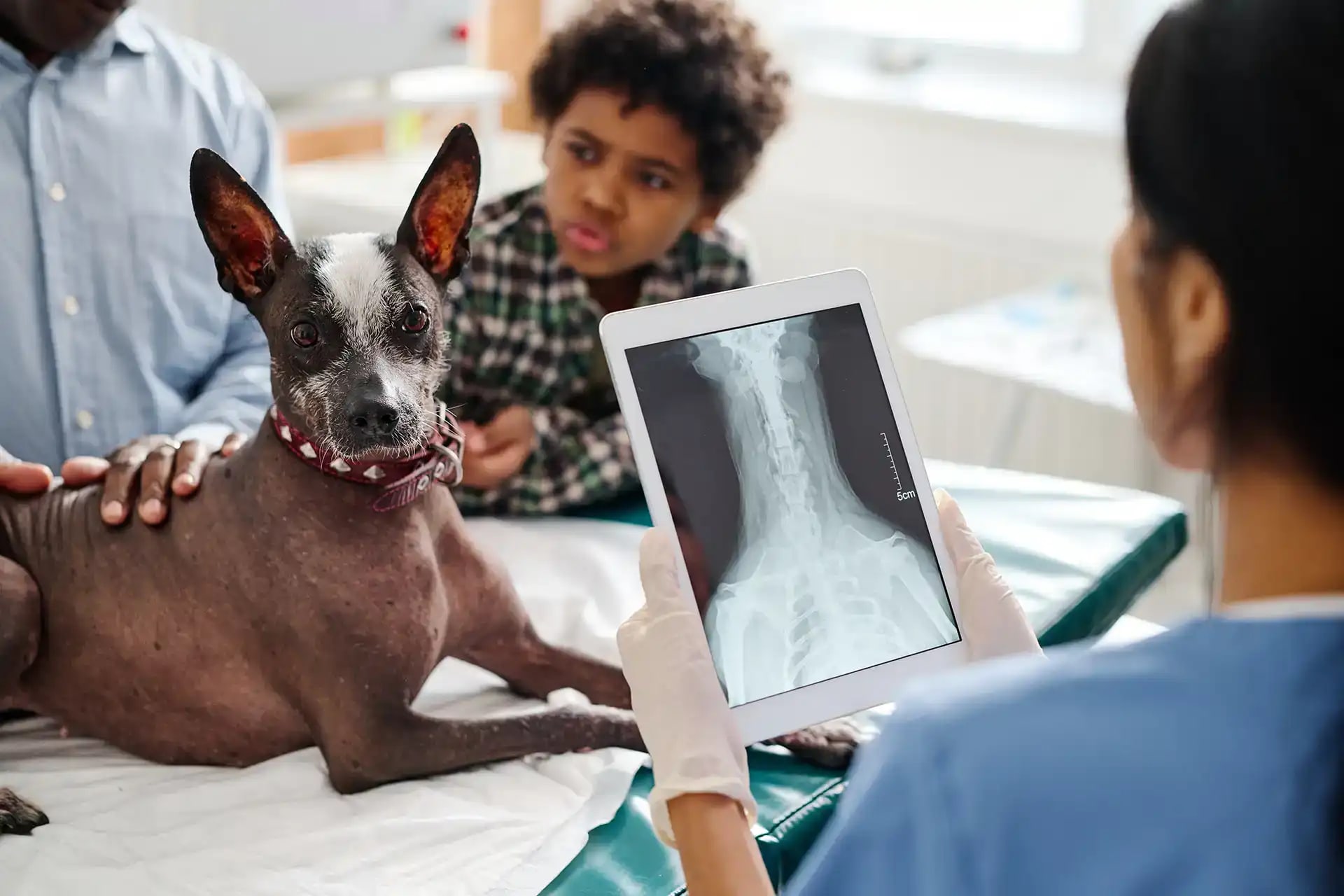
In sunny San Diego, we have dog parks, dog beaches and dog friendly restaurants – so our pets are in the sun more and experts say there are precautions we can take.
LEMON GROVE, Calif. — Did you know that every summer, dogs end up with sunburns — just like we do?
It’s not often talked about, but it can be deadly.
CBS 8 is Working for You with ways to better protect your pet.
Here in sunny San Diego, we have dog parks, dog beaches, and dog-friendly restaurants. Our pets are out and about in the sun more often, so there are precautions we should take—according to Dr. Ann Elliopulos, Medical Director at San Diego Pet Hospital in Lemon Grove, a partner of Thrive Pet Healthcare.
“There are people in California, out at the beach, in the water all day—and their dog is with them, all day long,” Dr. Elliopulos said.
Our pets love the beach, love the park, and even enjoy that tiny patch of sun coming through the window.
“You want your dog to be happy, and there are so many dogs who love sprawling out in the sun. Just be cognizant of the amount of time your dog is out there,” she added.
It might not be something you’ve thought much about, but dogs—and cats too—can get sunburned. And that can lead to skin cancer. Dr. Elliopulos has treated several severe cases and sees the impact of sun exposure every summer.
“The armpits, inside the abdomen, the legs, the nose, and inside the ears—those areas are really prone to sunburn,” she explained.
Breeds like Pit Bulls and Boston Terriers, which have short, thin, or light-colored coats, are even more at risk. And for hairless pets, a UV-protective suit may be worth it.
“The commitment I see from pet parents just warms my heart,” she said.
Most sunscreens made for humans can cause allergic skin reactions in dogs—or worse, be toxic if licked.
Epi-Pet is the only sunscreen approved by the FDA for pets. A quick online search shows several options priced around $10 to $15—something Dr. Elliopulos says is certainly cheaper than treatment.
You can also apply UV film to windows and do weekly skin checks. Just like with humans, early detection is key.
“If you notice something, and it gets bigger—it’s time to do something,” she advised.
At CBS 8, we are always Working for You and our community. This is a station promise that we will go the extra mile to solve a problem our audience can’t solve themselves. We want to hear your ideas on how we can cover and help our community. If you have a story idea, please email us at [email protected].
link