The serious side of robotic companion pets
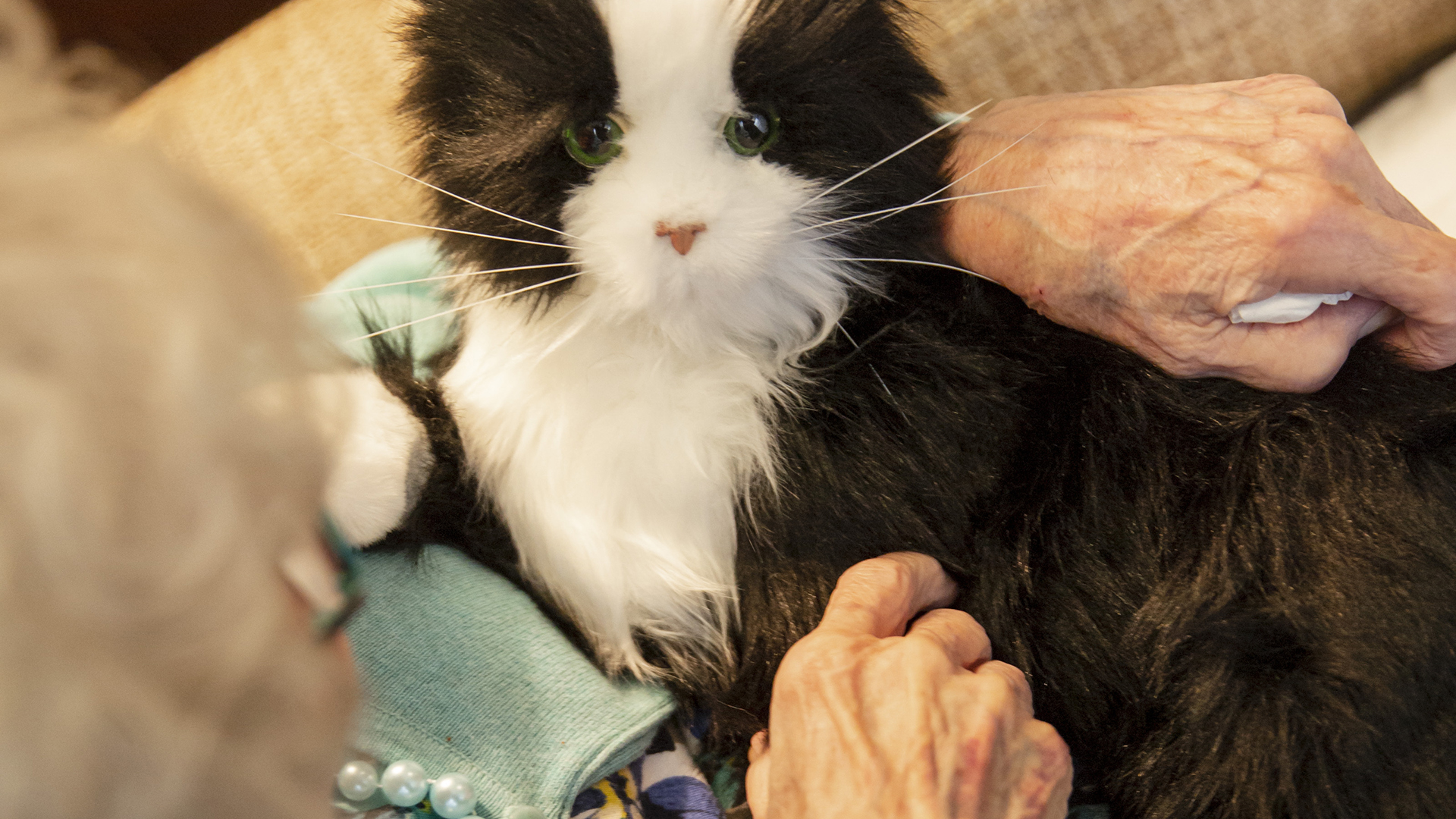
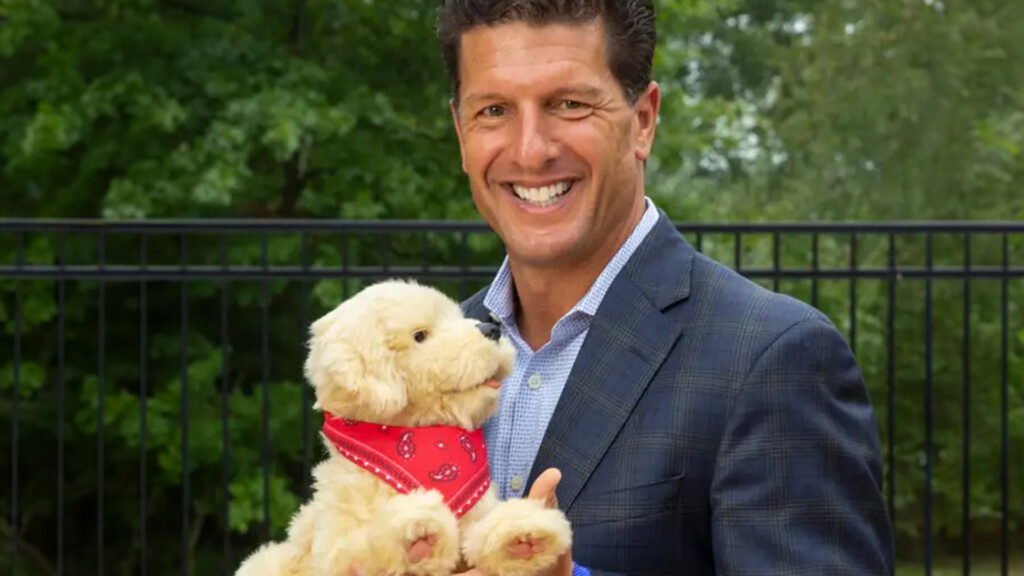
Ted Fischer, the chief executive of Ageless Innovation, talks about non-pharmacological, tech-enabled solutions for healthy ageing, including Joy for All Companion Pets.
When Ted Fischer first began to explore robotic companion pets, he was sceptical himself. But as health systems grapple with ageing populations, staff shortages and rising demand, attention is beginning to look beyond drugs to non-pharmacological ways of supporting wellbeing.
Here, the chief executive of Ageless Innovation speaks to Healthcare Today about loneliness, dementia and connection, and why technology designed to bring joy may have a more serious role in modern care than many assume.
What problem does Ageless Innovation solve that medicine and traditional care don’t?
I used to lead a team at Hasbro focused on new innovation. As we began our research, two things became very clear. First, we were seeing huge numbers of unintended users of our products. And second, there was this incredible unmet need among older adults for interactive companionship that no one was talking about.
We found that we have the greatest impact in a couple of key areas. The first is loneliness and isolation, often alongside depression. The second is Alzheimer’s, dementia and related conditions, including cognitive decline. We now have more than a dozen published research papers that speak to the efficacy and impact of these highly non-traditional interventions.
Ultimately, it’s about joy and happiness. I say it all the time – I’m not medically trained – but when people are happy, they feel better. And we’ve seen that play out millions of times over the course of our journey.
“It’s not our reality that matters, it’s theirs.”
Loneliness, cognitive decline and loss of purpose are often treated as soft problems. How do you convince doctors that addressing them should be central rather than an optional extra?
It was actually clinicians themselves who began to notice the effect. They were seeing the anecdotal evidence on the ground and did the work needed to prove and validate it.
We launched the brand in 2015, and in 2018, my team and I spun the business out of Hasbro so that we could focus entirely on this population.
By 2020, in the US at least, that evidence had translated into formal recognition. We were approved by the Centers for Medicare and Medicaid Services, meaning our products could be covered for specific need states. At the same time, we were working with the NHS in the UK. Once that approval came through, adoption accelerated. Across care homes, assisted living, memory care and other settings, clinicians and practitioners could identify individuals who would genuinely benefit from interaction with a companion pet.
Critics often dismiss robotic pets as gimmicks or infantilising. What evidence do you have that this works?
There have been critics from the very beginning. One of the reasons I think we’ve succeeded is that we never assumed we knew what older adults wanted. We asked them, and we involved them directly in the design and development process.
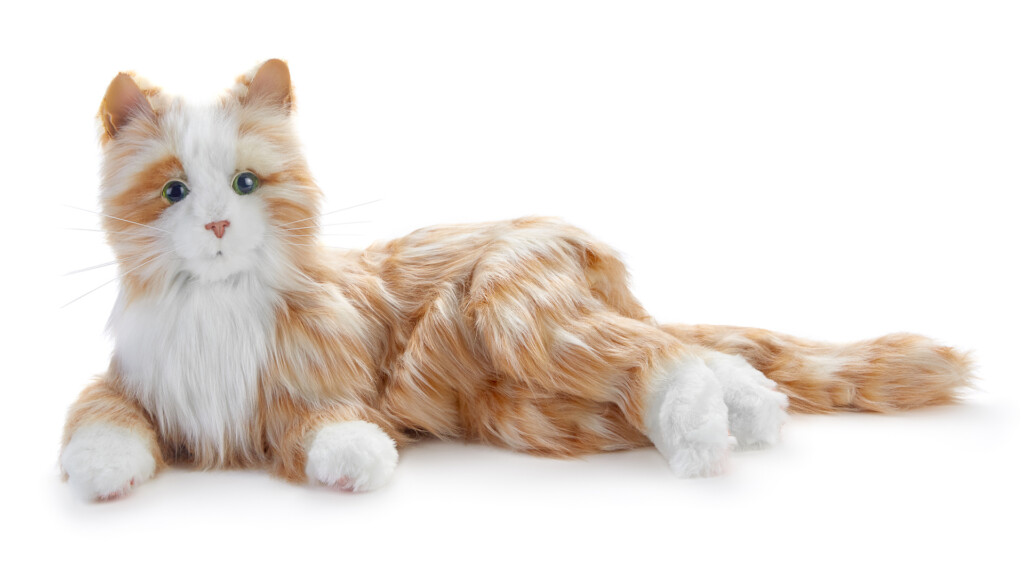
When we designed our cats, for example, the details really mattered. People told us the paw pads were important – they wanted them to feel realistic. So that’s what we built.
All of this was driven by a simple principle: we’re not trying to fool anyone. It’s not our reality that matters, it’s theirs. We follow a person-centred design philosophy, which means recognising that every individual is different. If someone can have a real cat or dog and gets love and fulfilment from that, that’s fantastic. But there is a significant group of people who can’t and who deeply miss that companionship and interaction.
This solution isn’t right for everyone. Nothing is. But we’ve now seen more than 750,000 adoptions, and what we see again and again is a relationship forming. People immediately name their pets, and once that happens, something changes. That’s where some of the magic begins.
Is the approach to the programme different in the UK?
Not really – it’s actually very similar. We won an NHS contract a couple of years ago now, and to date, well over 1,000 companion pets have been distributed. The need state is much the same as what we see through Medicare and Medicaid in the US. These are people living in care homes or independently, who are lonely or isolated and are identified by someone within the care system – often a professional caregiver – as likely to benefit. The pets are then distributed through those channels.
We now operate in more than 20 countries, and while the systems may differ, the underlying need looks remarkably consistent. In that sense, this is about the human condition. Across the developed world, populations are ageing rapidly, and the challenges that come with that demographic shift are broadly similar.
“When a pet belongs to you, there’s a sense of ownership and attachment that seems to deepen the outcome and the impact.”
Are there differences in impact across settings – care homes, hospitals, community care, people living alone?
There can be differences, but when a pet belongs to you, there’s a sense of ownership and attachment that seems to deepen the outcome and the impact. That personal relationship matters.
That said, many organisations use the pets in different ways. Care homes, for example, might purchase a number of pets and use them in group settings, bringing them out for shared activities and then putting them away again. Some memory care units keep a few pets available to use at specific moments. When someone becomes agitated or is struggling with a transition, staff may bring a pet out to help calm and soothe them.
What’s important is that this can sometimes replace what would previously have been a psychotropic medication, which was often the default response to agitation or distress. Instead, a cat is placed on someone’s lap, they begin to settle, and the situation de-escalates more gently.
Do you see these tools as preventative or primarily as supportive?
Yes, I think it’s both. These interventions are being used in reactive and proactive ways. We’ve run studies with people who are gifted the companion pets, measuring outcomes at three, six, nine and 12 months across a range of recognised scales. In the US, we also run formal programmes that produce monthly and quarterly reports, with a clear performance threshold: we’re expected to deliver at least a 20% improvement in quality of life.
The proactive benefit shows up over the longer term. One study in New York illustrates this particularly well. Researchers used a pain scale in which a score of ten indicates a very high likelihood of an emergency department admission. Over a year, measured at regular intervals, they saw the average pain score among people gifted the companion cats fall from around seven to just two.
That has significant implications, both for individual health and well-being and for pressure on the system. If fewer people are presenting to emergency departments, and a simple, non-traditional intervention like a companion pet is helping people feel less pain, that’s a meaningful outcome – not just clinically, but economically as well.
What role do families play in adoption and acceptance?
Families already know more than they think they do. On the direct-to-consumer side, where the product is typically bought as a gift for an older loved one, around 70% of purchasers are daughters or sons buying for a parent or grandparent. It’s closer to 80% when you include wider family carers. These are people who have actively gone looking for something – whether through online searches, word of mouth or evidence around dementia and other need states – because they’re trying to help someone they care about.
We do offer guidance on how to introduce a companion pet, but ultimately, it comes down to knowing your loved one. There’s no single right way.
“What we’ve seen is that these companions don’t reduce human interaction in any way.”
Let’s talk ethics. Is emotional attachment to robots a deception? Where do you draw the ethical line?
We have never set out to replace human interaction. Our aim has always been to create products that bring happiness and joy. What we’ve discovered is that they actually enhance human interaction rather than detract from it.
Let me give you an example that is typical. I have numerous letters from children whose parents are living in nursing homes. They often describe a similar situation: a mother or father who has been there for years, has no friends, doesn’t socially engage, and is effectively alone despite being surrounded by other people. Families gift a companion cat, hoping it might offer some comfort. What they find instead is that the cat becomes a focal point. Other residents want to come over, ask about it, touch it, and interact with it.
Suddenly, someone who was withdrawn becomes the centre of attention. They start going to bingo. They won’t go anywhere without the cat. People gather around, conversations start, and the entire dynamic shifts.
The same is true in dementia and Alzheimer’s care, where interaction can become especially difficult. What we hear from caregivers as loneliness deepens or cognitive decline progresses, conversations can become harder and harder. But when the cat is in the room, the focus shifts. The pet becomes a bridge.
Almost without exception, what we’ve seen is that these companions don’t reduce human interaction in any way. They make it easier, particularly in situations that are otherwise very difficult to navigate.
Looking ahead, do you expect companion technologies to remain niche or to become as normal as mobility aids or telecare?
I spent the week before last at [the consumer electronics trade show] CES in Las Vegas, and it’s clear that the idea of the companion robot has already taken shape. You can already see it in professional care settings.
Where it gets more nuanced is around form. Interaction with animals is a normal part of life across the entire lifespan. What we’ve consistently heard from caregivers is that companion pets remove a difficult emotional and visual barrier.
It’s been a fascinating journey, and we’re continuing to innovate in what our pets can do. But the most important principle will never change: anything we create has to enhance the relationship between the person and the product. If it doesn’t do that, it doesn’t belong.
link