When does saving your pet’s life get too expensive?
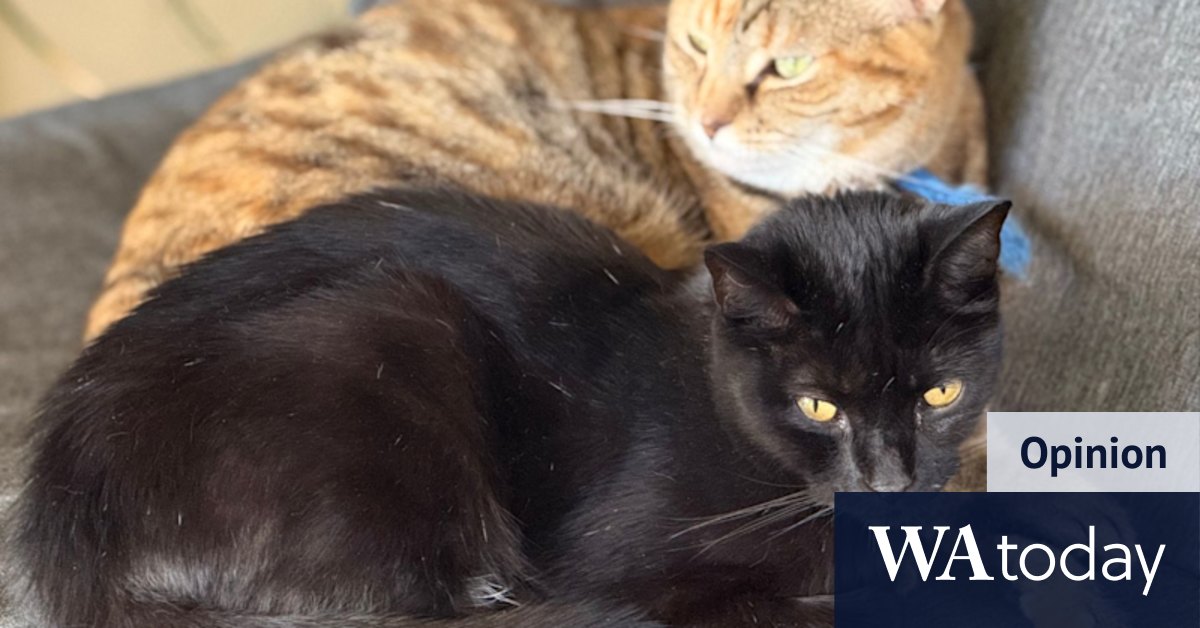

Me with Salem.
Before you hurl fur balls at me, a recent survey by comparison website Finder found that, on average, Aussies would fork out around $6200 to save their furry friends from the “green dream”.
An impressive 8 per cent would spend more than $10,000 to prevent their pet from being euthanised.
At the other end of the scale, 6 per cent of people wouldn’t cough up a cent to stop their pooch or mouser going to animal heaven.
However, before we rapidly point the finger at those miserly mutt and moggie-owners, there are undoubtedly moments when cash-strapped animal-lovers can’t afford to splash out weeks’ worth of wages to save their pet.
I didn’t have to subject myself to clinical trials for fast cash because our tax returns had just popped into our bank accounts.
But with thousands of Australians drowning in the cost-of-living crisis, having to euthanise your pet because you couldn’t afford the bill would be devastating.
As a lapsed Catholic, I’m well-versed in guilt, but if I had lacked the coin to save my cat, I would have fallen into a self-condemnation that even the patron saint of suffering, Saint Dymphna, would find impossible to endure.
There are quick-access loan schemes, but the exorbitant interest rates and fees mean you’ll still be in debt long after Rover and Ruby Tuesday have crossed the rainbow bridge.
Consumer watchdog CHOICE has previously slammed such schemes for “enticing pet owners into unaffordable debt”.

Salem and Sabrina: Double trouble?
“A beloved pet’s illness can be one of the most stressful times in a person’s life,” says CHOICE’s Head of Policy, Patrick Veyret.
“Lenders … should not be profiting from people’s anxieties about their pets.”
Like many of these modern-day lay-by schemes, the scheme preys on the most vulnerable.
I wouldn’t have flinched or even read the fine print when signing up for a pay-later service to keep Salem alive.
There will be widespread disagreements about spending money to save or prolong pets’ lives. However, I agree with American philosopher and animal rights activist Jeff Sebo that we must remember that our furry friends are significant beings that belong to our moral community.
Loading
Sebo’s The Moral Circle argues humans will prioritise themselves at the expense of many other beings and while our household animal companions might demand some of our attention, we don’t always accord equal value to all animals.
Sebo addresses some challenging ethical questions about the extent to which we should expand our moral circle, discussing everything from insects to AI.
Whatever monetary misgivings I had about Salem instantly evaporated the moment he staggered onto my lap, while projecting phlegm onto my jumper.
There is no doubt that he is firmly entrenched in my moral circle.
At the time of writing, our other cat, Sabrina, has begun exhibiting the same symptoms as Salem. We will inevitably end up back at the vet.
Those YouTube tutorials on dog milking could pay off after all.
Ultimately, when it comes to our pets, most of us are willing to endure any hardship or expense — so long as they are still there to leap onto our laps, mucus and all.
Start the day with a summary of the day’s most important and interesting stories, analysis and insights. Sign up for our Morning Edition newsletter.
link