5G-Enabled Smart Healthcare Services – Mobile World Live

PRESS RELEASE: With the development of information technologies, hospitals have gone through digital transformation and are now pursuing intelligentization. The advent of 5G networks will open up new opportunities for smart healthcare. The First Affiliated Hospital of Zhengzhou University has deployed the first 5G pilot network for validating 5G-enabled smart healthcare use cases in China, with full 5G coverage.
Five 5G-enabled healthcare use cases
With the medical industry undergoing digital transformation, network infrastructure is playing an increasingly important role in delivering medical services. The First Affiliated Hospital of Zhengzhou University piloted 5G on medical services provided internally, externally, and also inter-hospital. Zhao Jie, Secretary of the First Affiliated Hospital of Zhengzhou University, mentioned in the interview that they are particularly focusing on five major healthcare use cases, including remote control based on force feedback, as well as medical device interconnectivity and wireless data acquisition both within and outside the hospital. They also conducted comprehensive network tests and technical research at the National Engineering Laboratory for Internet-based Medical System and Applications.
- Intra-hospital Monitoring
The hospital can continuously collect, report, and transmit patient information to a remote monitoring center through wearable devices. 5G networks have helped significantly improve the efficiency of this process. With recent advancements in technology, monitoring devices are now being made in the form of patches. Monitoring patches are able to transmit patients’ biometric information, such as their blood pressure and electrocardiogram data, back to the monitoring center. This has made wireless intra-hospital monitoring possible and has improved healthcare services significantly.
- Mobile Ward Rounds and Remote Consultation
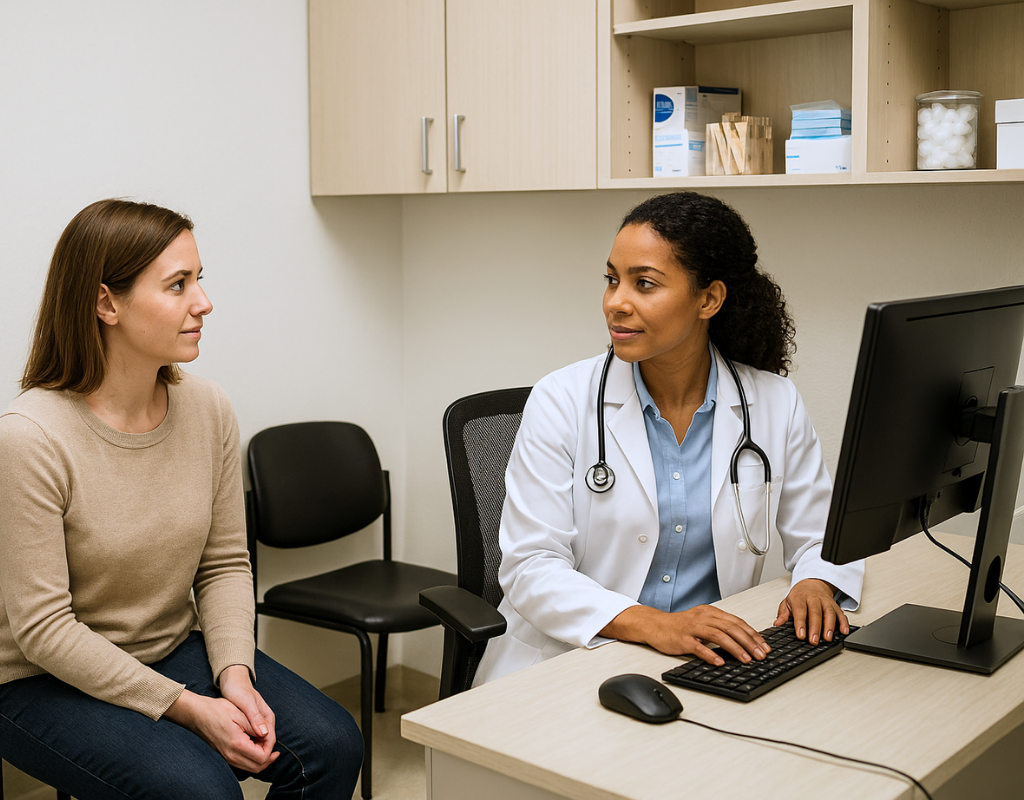
“So far, most of the ward rounds are conducted through 4G and wireless networks, which often comes with great uncertainties as well as broadband and security issues. 5G and wider network coverage allow healthcare professionals to work more flexibly. For example, it lets the doctors conduct real-time ward rounds anywhere using 5G mobile devices.” Zhao also said that 5G networks are faster and more secure in transmitting medical data like digital medical records and visual content. Remote consultation involves video transmission and data transmission. 4G isn’t fast enough to transmit data in real time due to latency issues, especially when dealing with huge amounts of medical data. Today, with higher bandwidth and lower latency, 5G ensures remote medical consultations in real time and achieves the same effects as face-to-face interactions. “Patients being treated at primary medical institutions can enjoy diagnosis and treatment services delivered by healthcare professionals from higher-level hospitals through remote consultations. Real-time remote consultations enabled by high-performance networks will change the way future healthcare services are delivered,” Zhao said.
- Wireless Specialist Diagnosis
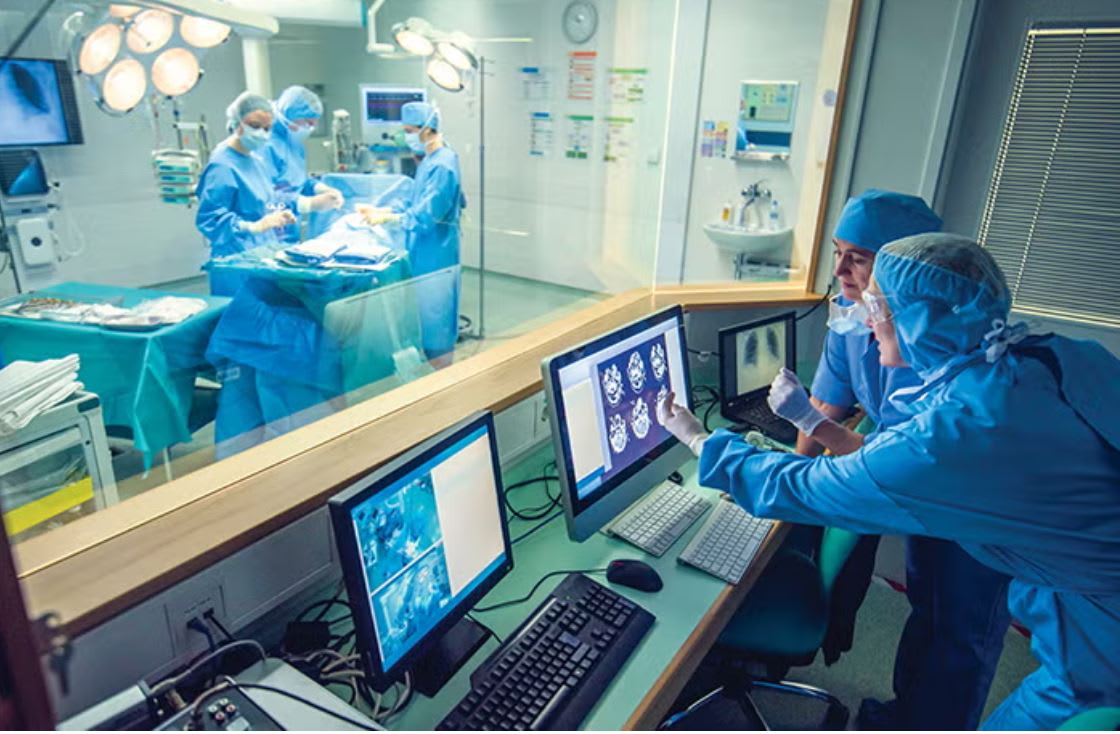
Specialist diagnosis such as electrocardiogram, imaging, and test results provides crucial diagnostic clues. CT, MRI, and pathology images often have a very large capacity, about 2 gigabytes per image. With 4G, it takes up to several minutes to transmit an image like this. However, the image can be transmitted almost in real time with 5G. This will make future specialist diagnosis more convenient. Another example of revolution brought about by 5G is that doctors will be able to provide specialist diagnosis services anytime, anywhere.
- Remote Surgery and Teaching
With low latency, high speed, and high reliability, 5G will help high-level healthcare professionals provide surgical guidance to primary hospitals thousands of miles away, or even make remote robotic surgery a reality. “The surgeons responsible for performing an operation can control each other’s robot despite being in different locations. Operations performed under the support of 5G have worked very well. 5G fully meets the requirements for performing remote operations and providing surgical guidance,” Zhao believes.
“5G will transform emergency services significantly. So far, we have transformed our emergency response vehicles into mobile emergency centers aided by 5G.” Zhao said that doctors can seamlessly check the patient’s past medical records, perform EKGs, B-scans, etc. from inside the vehicle, and send the results back to emergency room doctors for guidance in real time. The remote consultation system inside the vehicle can be initiated for patients with complex issues through which healthcare professionals across multiple disciplines can provide guidance remotely, and thus greatly reducing emergency service response times.
Shaping a better future with 5G-enabled smart health
With the widespread adoption of 5G networks and technologies in China, the commercialization process of 5G is also becoming more mature. “I believe that the commercial use of 5G networks will transform the way healthcare services are delivered. In the future, doctors will be able to provide healthcare services anytime, anywhere while patients will be able to access high-quality medical resources from home or at the hospital whenever they need it,” Zhao said.
In particular, with the adoption of 5G and the rapid development of big data and artificial intelligence in the healthcare industry, smart healthcare will make healthcare services accessible to the masses. This will be one of the greatest benefits brought about by the disruptive changes in the healthcare industry as a whole. With this in mind, the First Affiliated Hospital of Zhengzhou University will further research and test key technologies (e.g. terminals, networks, cloud platforms, big data, and intelligent healthcare) at the National Engineering Laboratory for Internet-based Medical System and Applications to build a smart hospital prototype. They will be working with China Academy of Information and Communications, China Unicom, Huawei, Remote Healthcare Committee, and other organizations to develop 5G technology standards, clinical demonstrations, and quality control standards. Together with the National Telemedicine Center of China, they will apply research findings to pioneer a new paradigm in 5G+ smart healthcare, advancing universal access to medical services worldwide.
link
:quality(75)/https://asset.kgnewsroom.com/photo/pre/2026/01/23/63295e03-df22-48ba-9aa5-60a61921ed48_jpg.jpg "Earning a Doctorate, Supriyanto Promotes Innovation in Quality and Affordable Healthcare Services")